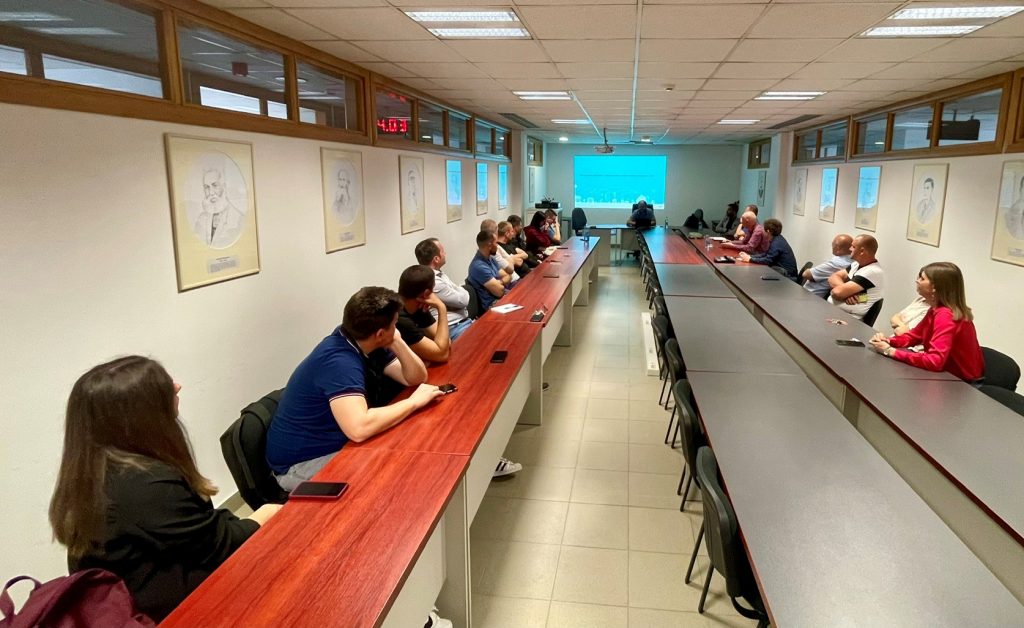
An educational lecture on Renewable Energy Communities was held at the Faculty of Electrical Engineering in Banja Luka, introducing a model in which citizens, small and medium-sized enterprises, and local authorities jointly produce, consume, and share energy from renewable sources. The lecture was organised as part of the EU4 Collective Action for Energy Transition (EU4CAET) project, with the aim of introducing students and future professionals to the concept of Renewable Energy Communities, their legal framework, technical aspects, and practical examples from the EU and BiH.
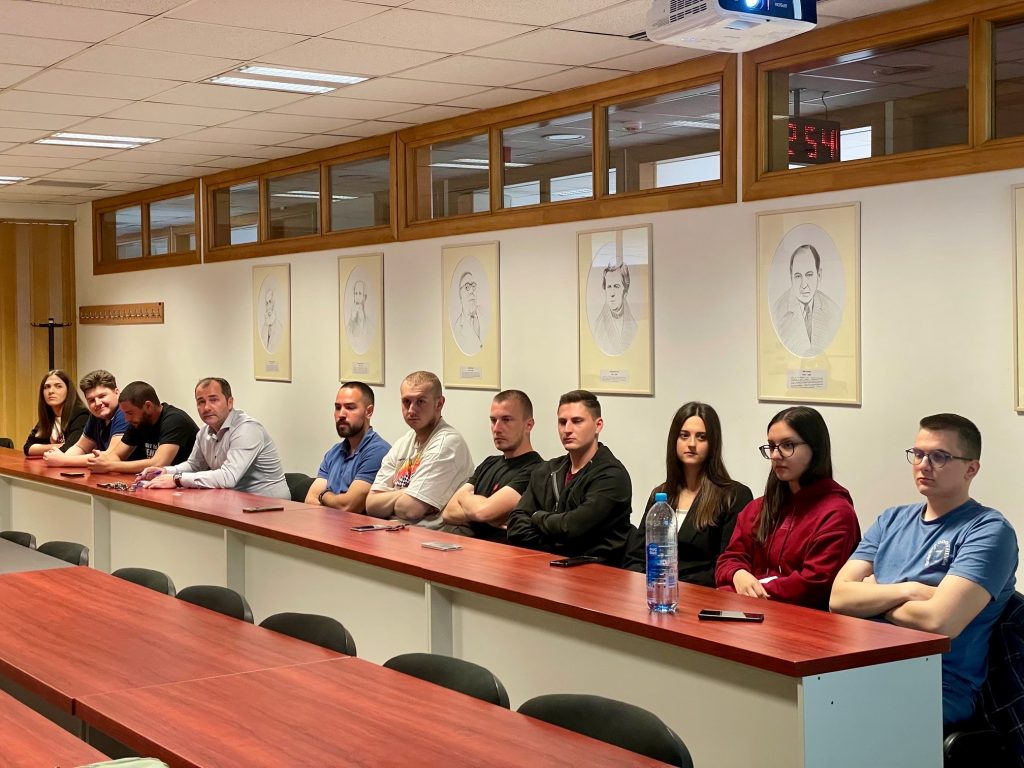
“Sokolac, Modriča, and Kakanj are currently in the final stages of obtaining the status of Renewable Energy Communities, proof that energy communities in Bosnia and Herzegovina are moving from theory into practice, opening space for local, sustainable, and long-term energy solutions,” said Mareike Hahr, EU4CAET Project Manager.
Participants explored how Renewable Energy Communities function and how citizens and local communities can join forces in producing and using renewable energy. Special focus was placed on practical examples from Austria. For the first time, new laws on renewable energy sources in the Federation of BiH and Republika Srpska provide a legal basis for the recognition of energy communities, a framework that future engineers, lawyers, and decision-makers will be instrumental in shaping.
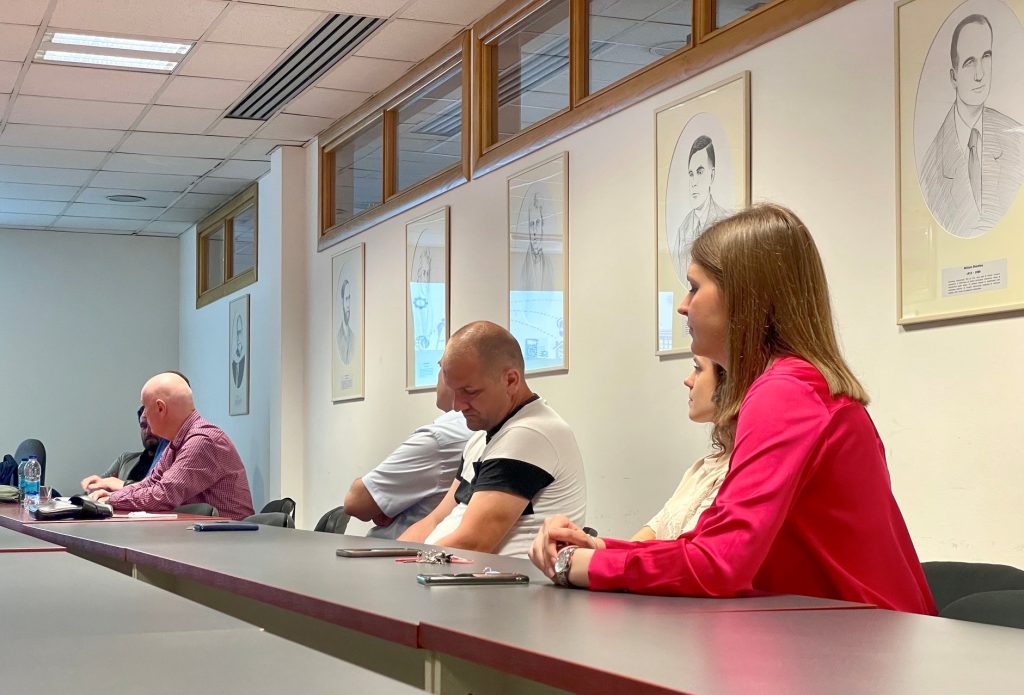
The Banja Luka lecture is part of a wider series continuing 12 May in Tuzla, at the Faculty of Electrical Engineering and the Faculty of Law, and on 14 May in East Sarajevo at the Faculty of Electrical Engineering. The lectures cover technical aspects such as grid connection and energy management, legislative frameworks, and EU policy transposition at law faculties.
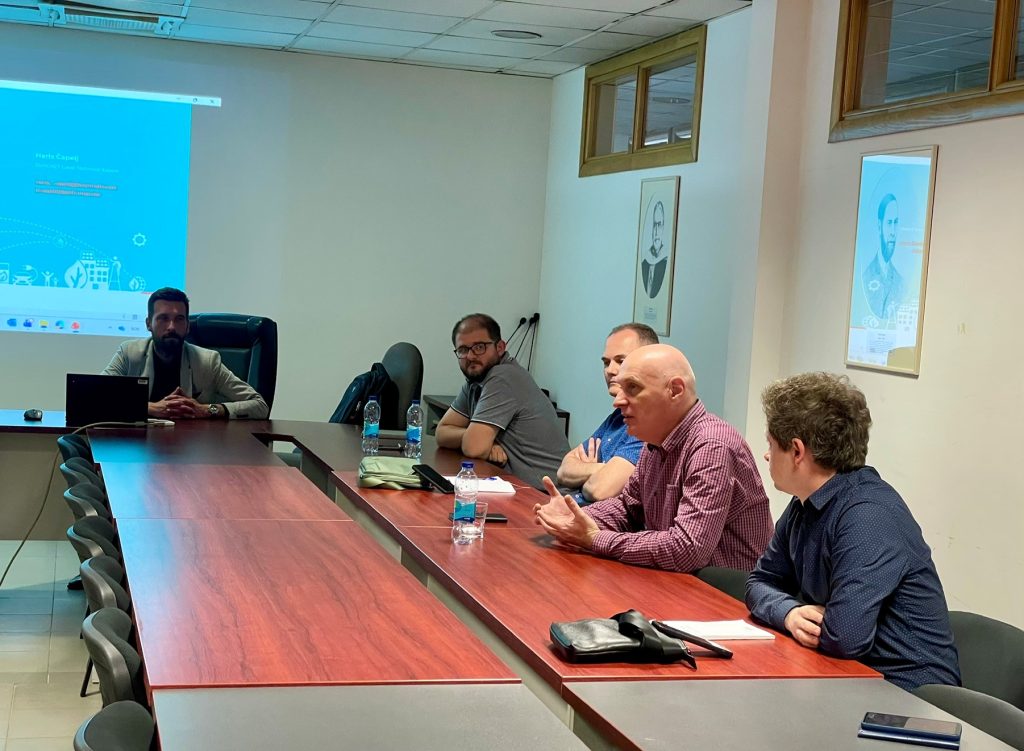
EU4CAET is co-financed by the European Union and the Federal Republic of Germany. The German Federal Ministry for Economic Cooperation and Development has entrusted GIZ with the implementation within the CAET programme. The project supports Bosnia and Herzegovina’s energy transition through technical assistance and grants for sustainable, community-led energy projects.