As part of the EU4CAET project, a workshop on renewable energy sources and energy transition was held in Mostar today, co-financed by the European Union and the Federal Republic of Germany, and implemented by GIZ GmbH in cooperation with the Ministry of Foreign Trade and Economic Relations of BiH.
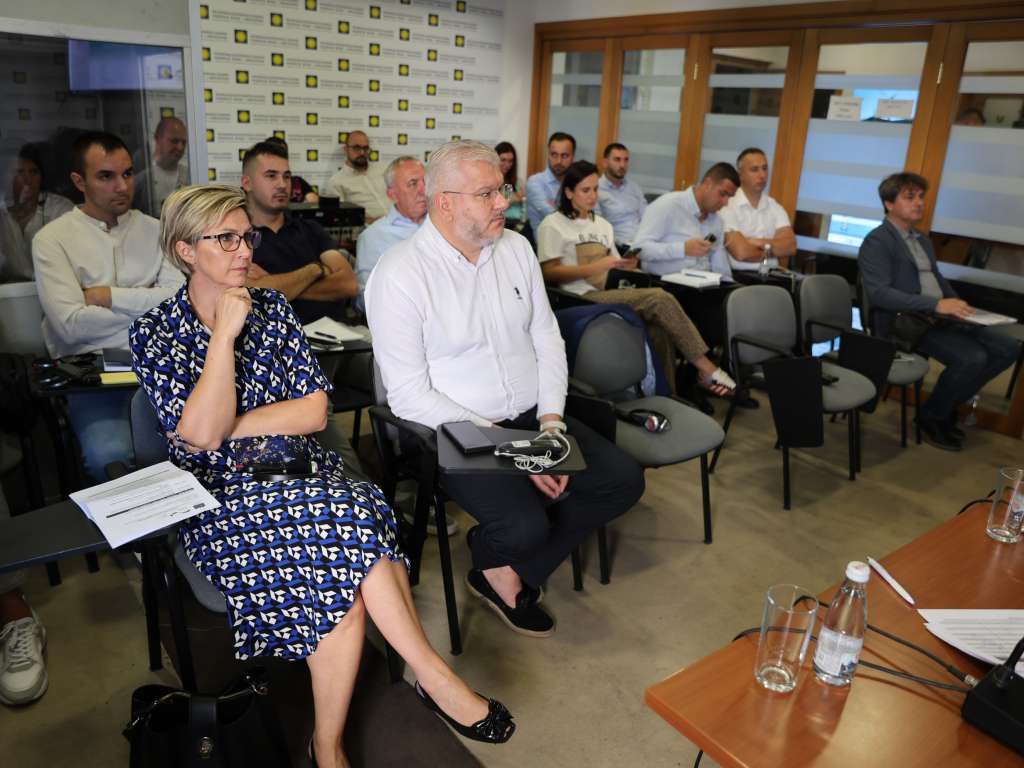
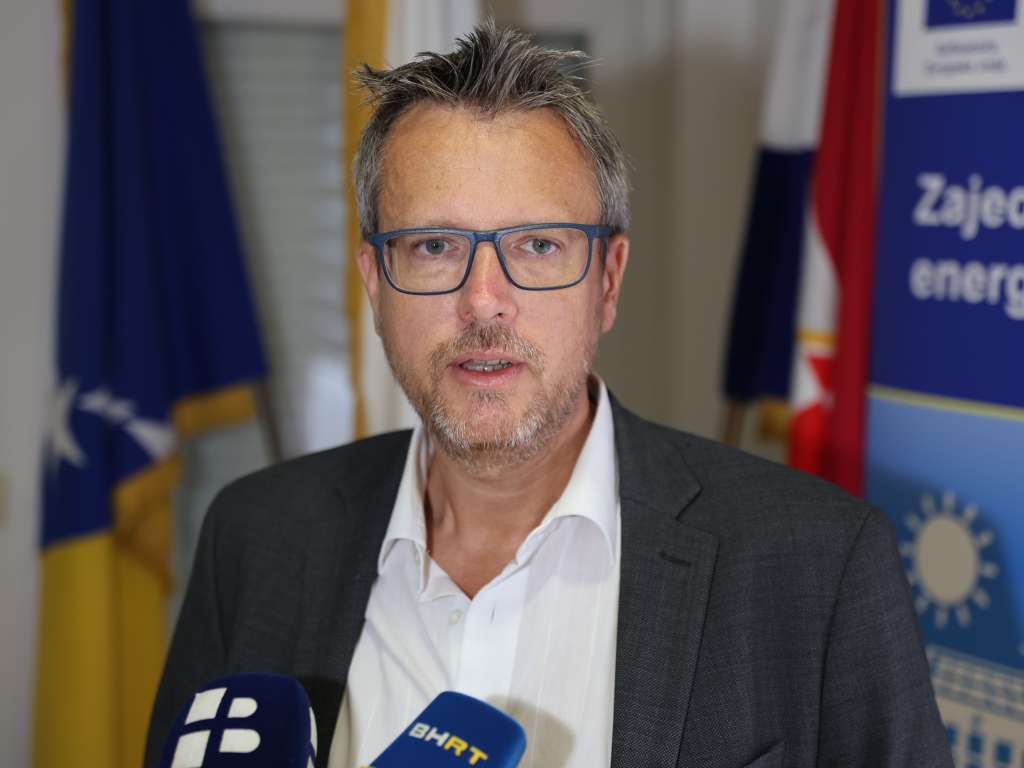
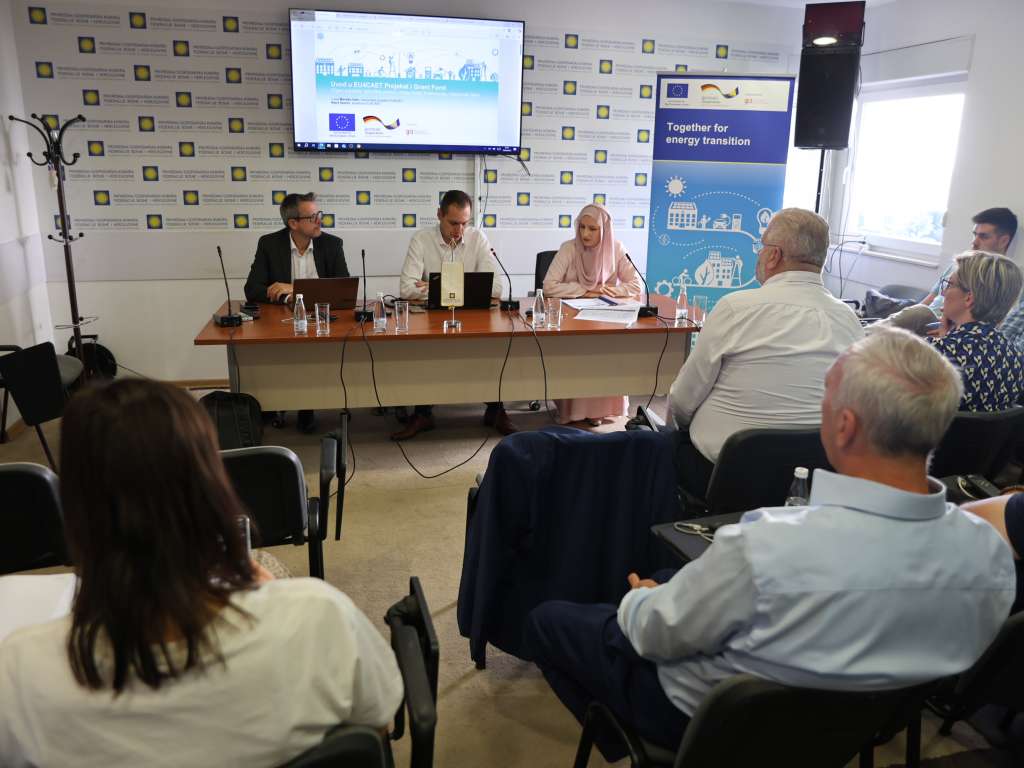
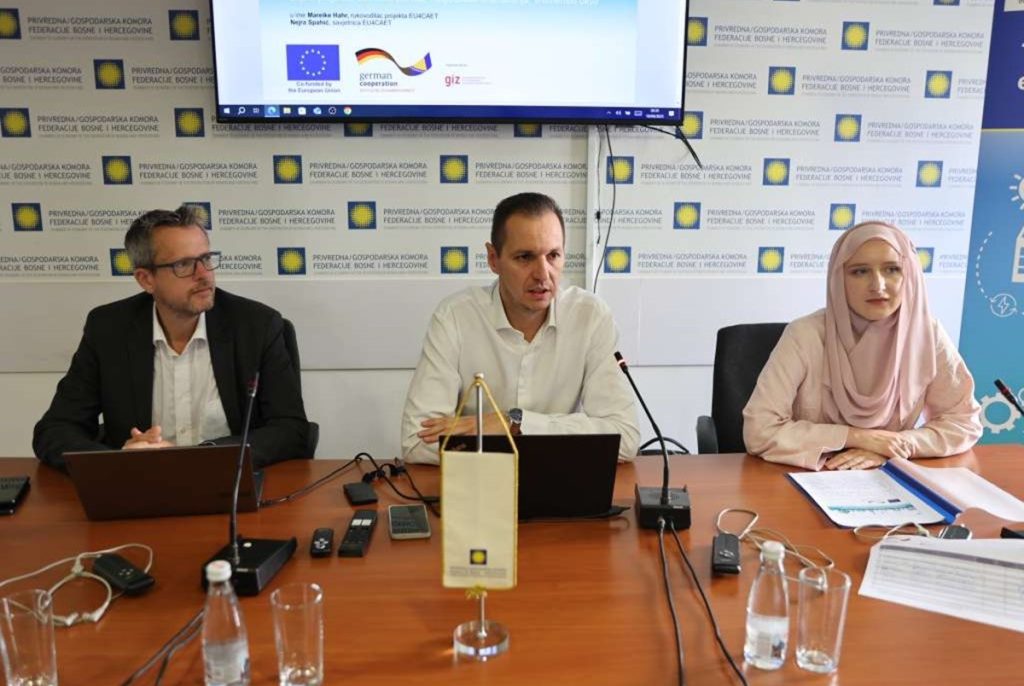
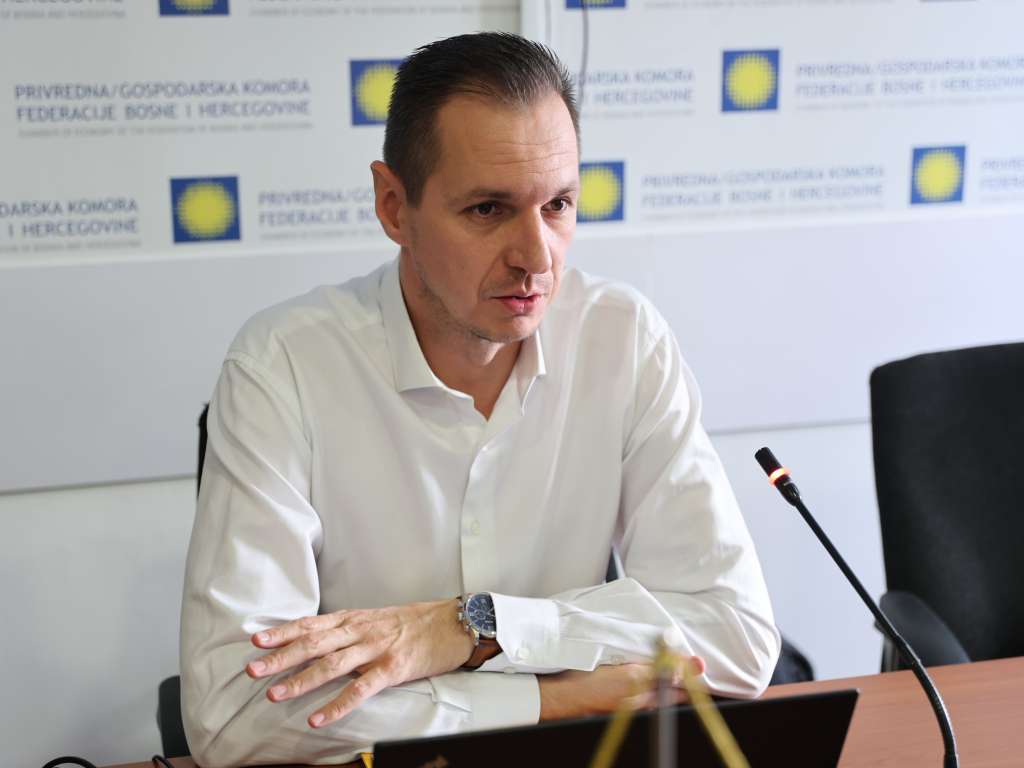
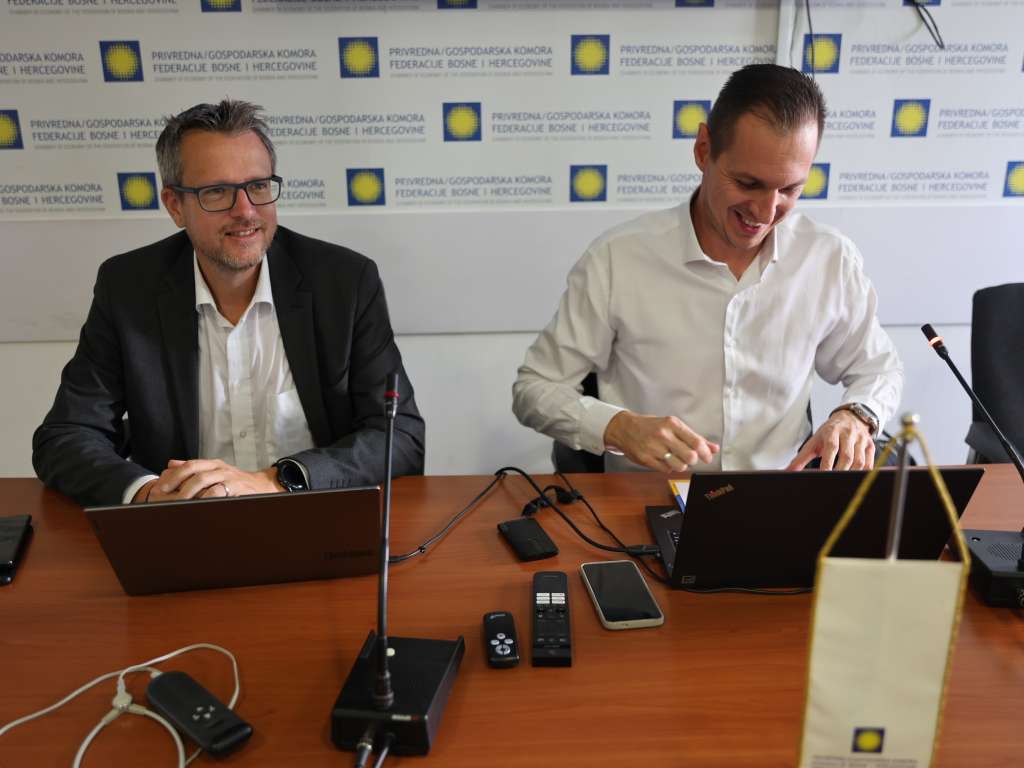
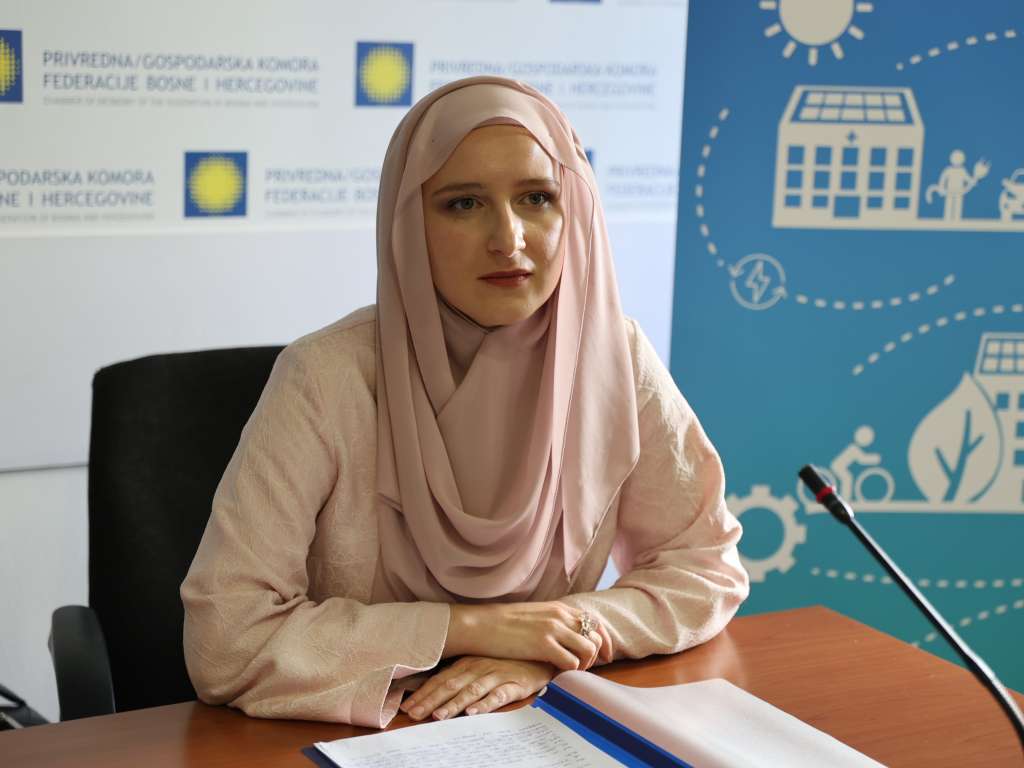
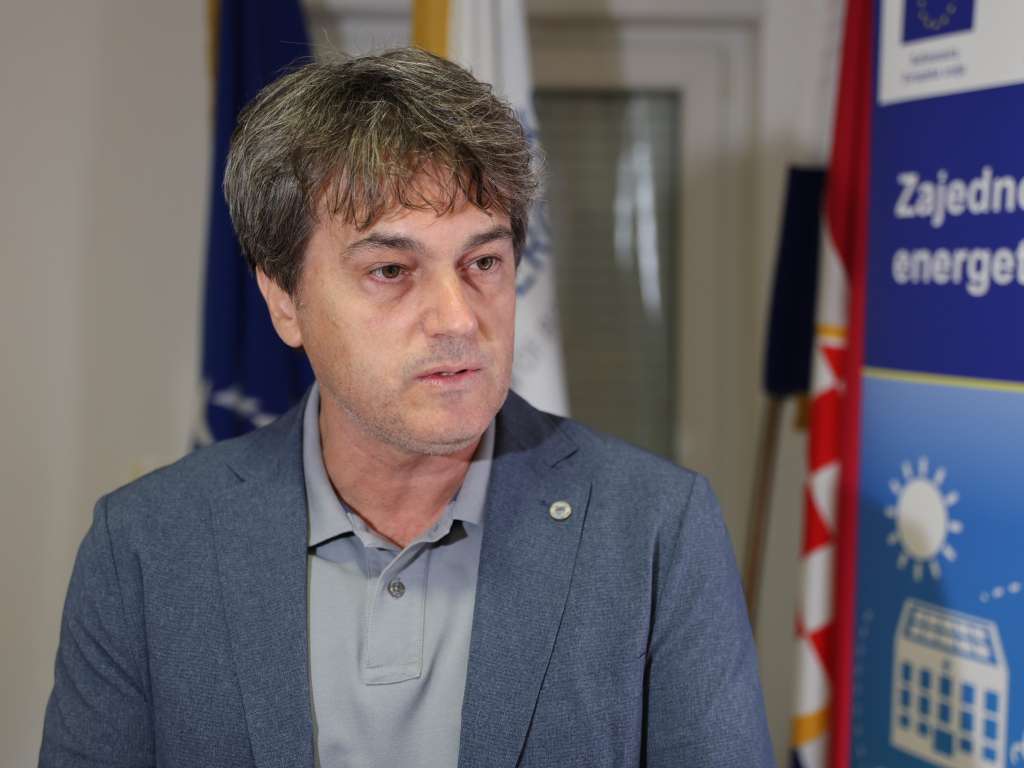
The workshop, held at the premises of the Chamber of Commerce of the Federation of Bosnia and Herzegovina, was dedicated to presenting the best practices of the European Union in the implementation of national projects and the possibilities of local energy transition. Participants considered the application of photovoltaic power plants, biomass heating systems, public lighting, electric vehicle chargers and heat pumps.
Right from the beginning, the starting advantages of BiH in terms of available natural resources were highlighted.
BiH, unlike other countries in the region, has very good initial predispositions towards energy transition, especially when it comes to energy communities – said Nejra Spahić, advisor at the German Society for International Cooperation (GIZ GmbH).
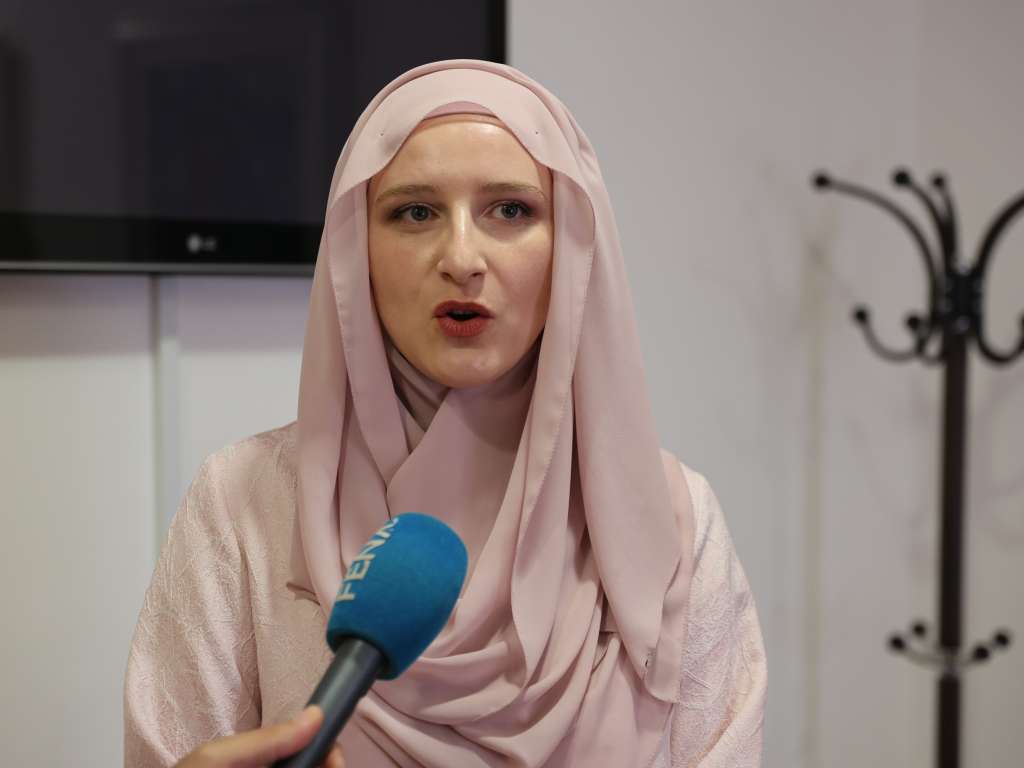
She emphasized that the goal of the project is to support the energy transition and the application of renewable energy sources in local self-government units and that the City of Mostar is a good example in terms of readiness to implement this project.
She particularly emphasized the importance of the media in this project, given that citizens are not sufficiently aware of the importance of renewable energy choices and energy transition, and they learn most of the information from the media, Fena reports.
She highlighted the problem of lack of funding from state institutions, which is why the project offers technical support and co-financing of 50 to 80 percent.
Roland Matous, an international expert on energy transition at the EU4CAET project for local energy transition, believes that Austria is a good example of the implementation of the ideas advocated by this project.
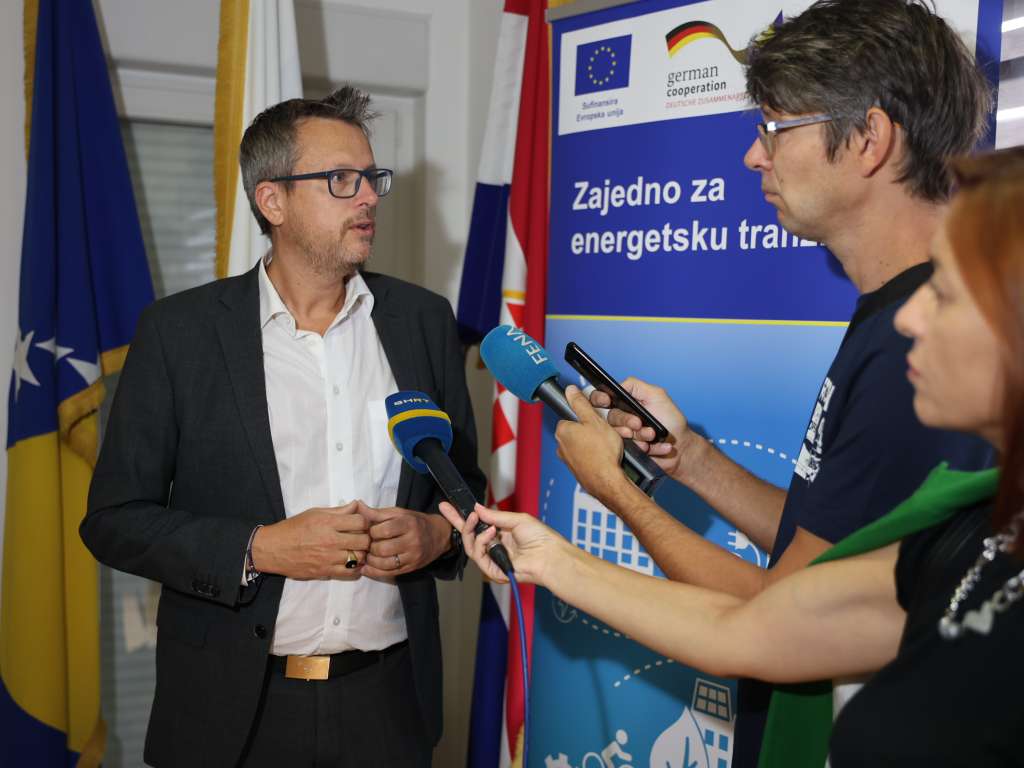
BiH is in a better position than Austria was five years ago. Because when we started, we had no laws, and today we already have 1,500 energy communities. A lot can be developed in five years. In BiH, you have a lot of sun and wind and local community leaders who are ready to implement this project. I notice a little skepticism and that is exactly our task – to convince you and show you the way to enter the energy transition – he stated.
And that skepticism is accessible, emphasized Darko Knezović, expert advisor for energy efficiency and the use of renewable sources for the City of Mostar.
– We are struggling to democratize our energy system, which is rigid, so through the City of Mostar we want to give citizens the opportunity to actively participate and become not only consumers but also producers, that is, prosumers – he said.
He pointed out that so far, better work could have been done on this issue.
– First, we should have given citizens the opportunity to participate in the energy transition, because we have so many roofs in the city of Mostar. Big business brings jobs, reducing CO2 emissions, but cities should be the leaders in this story. We want to involve citizens, so that it becomes citizen energy.
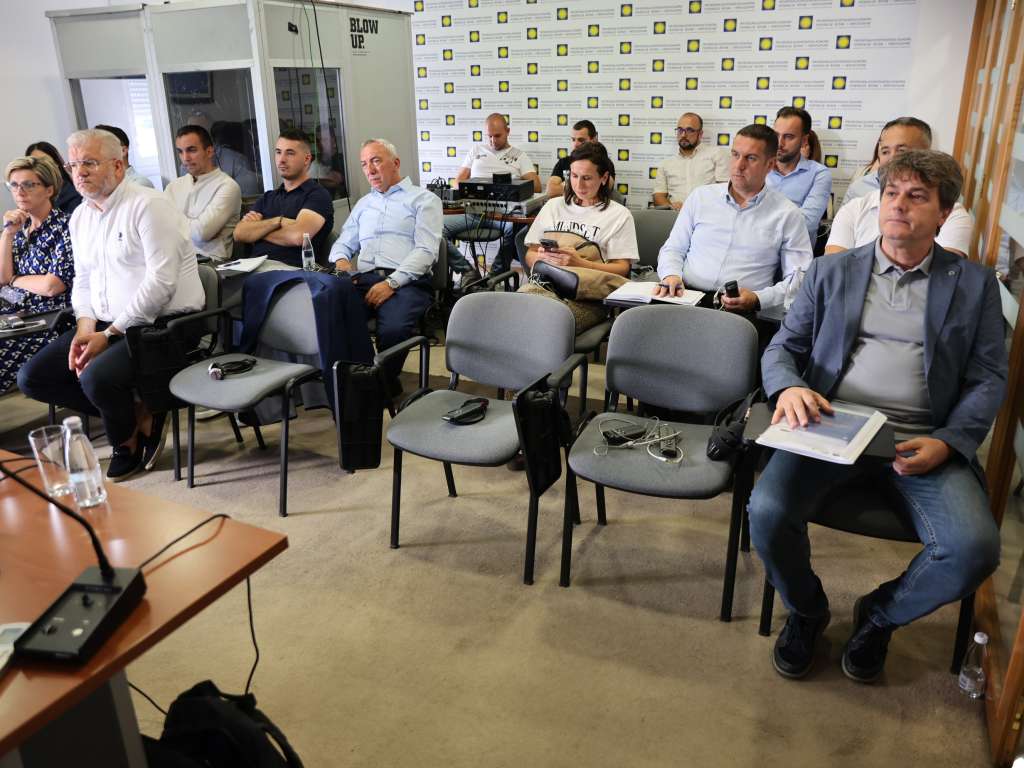
He particularly highlighted one problem – too slow and too complicated procedures.
– In the Herzegovina-Neretva Canton and the West Herzegovina Canton, the situation is such that when you want to build a small 4 kW plant on the roof of a house, you have to obtain an urban planning, urban construction and finally a use permit in order to be able to sign a contract with the Electric Power Company. This is unacceptable in terms of time and finances – concluded Knezović.